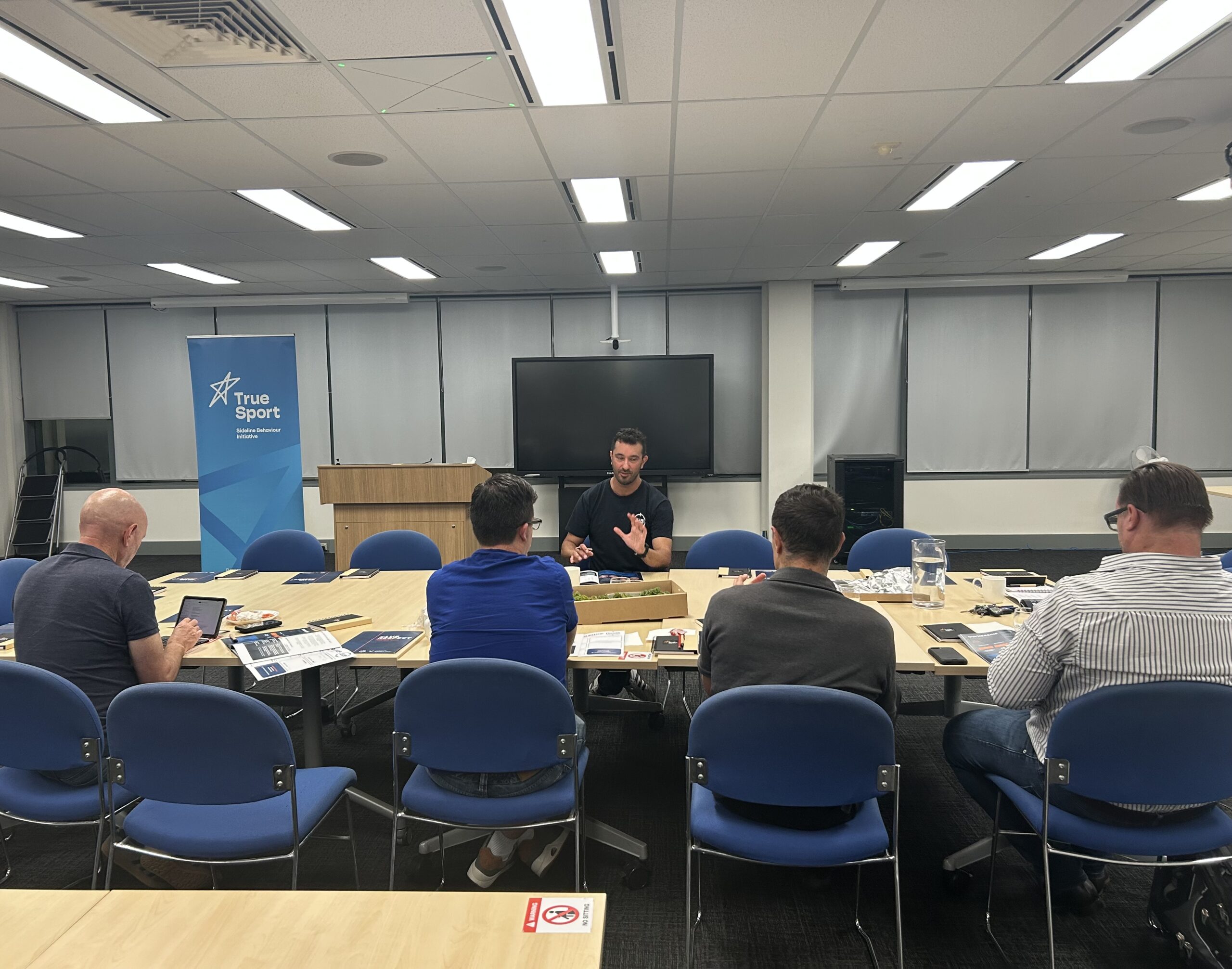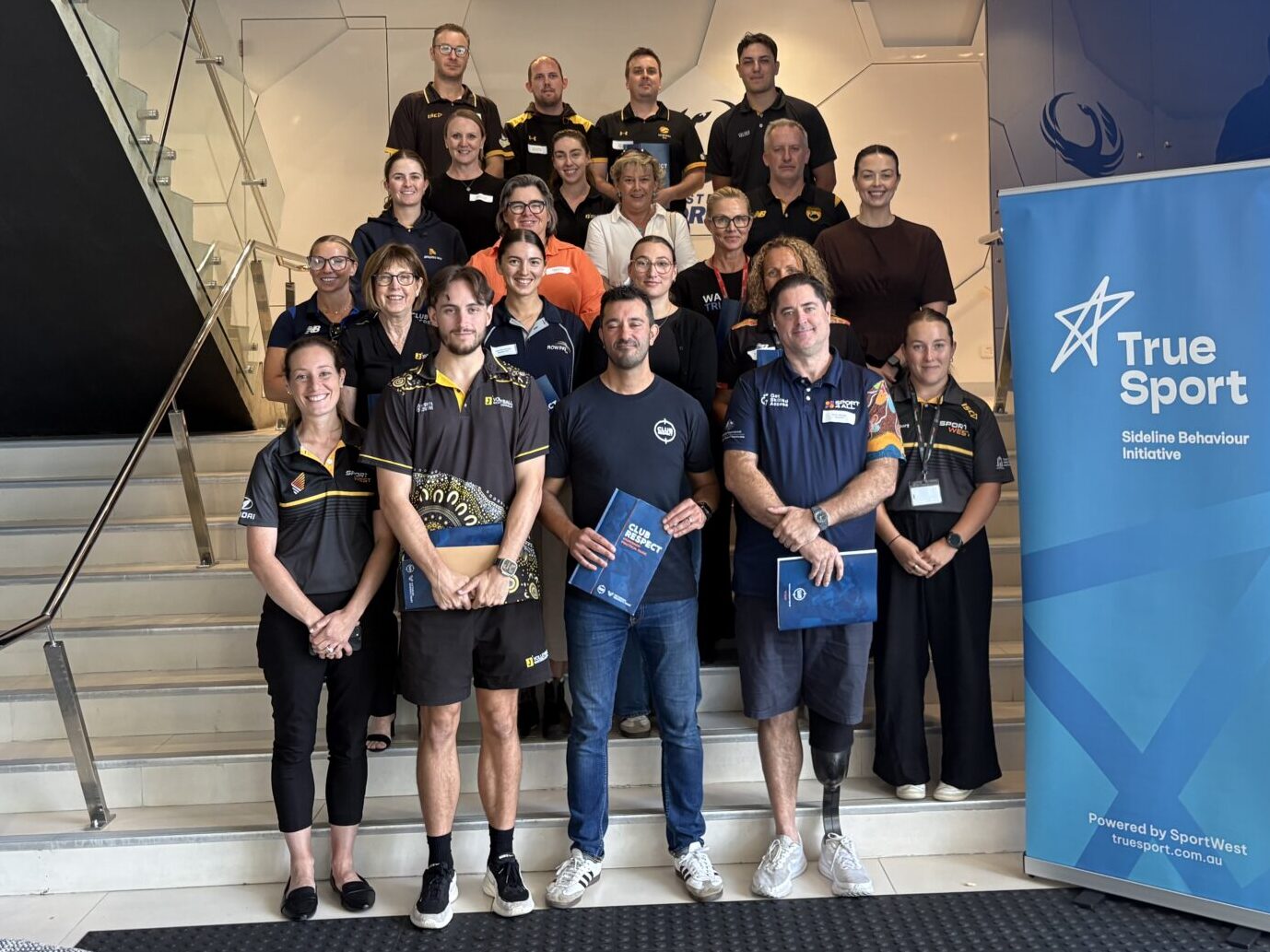
SportWest’s True Sport team was invited to present at the Play by the Rules (PBTR) Reference Group meeting held at VicHealth, West Melbourne, on Wednesday, 26 June 2024. The hybrid meeting brought together national stakeholders committed to advancing inclusive, safe and fair sport across Australia.
A day focused on inclusive, safe, fair sport
Hosted by PBTR and facilitated by Tom Dixon, the session opened with a welcome, Acknowledgement of Country and program updates before moving into a packed agenda. Delegates heard findings from the Free to Exist report on LGBTQIA+ participation in sport, then explored current issues and trends including eSafety, sideline behaviour, racism, and club‑level integrity implementation.
The afternoon featured two workshop blocks using human‑centred design to map volunteer experiences and co‑design practical ideas PBTR can deploy to help volunteers foster inclusive, safe and fair environments. The meeting concluded with a group playback of concepts and next steps.
True Sport Presents at a National Level
Representing SportWest, the True Sport team shared WA insights on the True Sport Mental Health and Wellbeing Initiative, True Sport Child Safeguarding Initiative, and True Sport Sideline Behaviour Initiative, alongside strategies for volunteer enablement and scalable integrity practices for community clubs. Building on the True Sport framework, our presentation focused on:
- Practical tools for volunteers to prevent and respond to poor sideline conduct, including pre‑season briefings, codes of behaviour, and consistent game‑day messaging.
- Embedding inclusion through simple club processes—welcome rituals, clear reporting pathways, and visible, values‑aligned signage and digital assets.
- Child safeguarding measures that integrate policy, education, and reporting tools to create safer environments for young participants.
- Mental health and wellbeing strategies designed to support clubs in responding to grief, loss, and stress, while promoting resilience and care within sporting communities.
- A “light‑lift” approach to integrity and safety, tailored for small clubs with limited capacity, ensuring solutions are realistic, repeatable, and measurable.
We also highlighted the University of Western Australia (UWA) evaluation of the True Sport program, which provides evidence-based insights into the impact of these initiatives across WA sport. This evaluation reinforces the effectiveness of True Sport’s approach and informs continuous improvement to meet the needs of clubs and volunteers.
These contributions complemented PBTR’s workshop aims to support volunteers and club leaders with actionable resources that make a tangible difference at the grassroots level.
Key takeaways
- Volunteers are the linchpin: Human‑centred design exercises highlighted the pressure points volunteers face and identified the supports that matter most—clear guidance, simple tools, and visible backing from the sector.
- Consistency beats complexity: Clubs benefit from short, repeatable practices (e.g., game‑day scripts, sideline prompts, and post‑match debriefs) that set expectations and reduce ambiguity.
- Shared language builds culture: Aligning PBTR messaging with True Sport values helps unify communications around inclusion, safety and fairness, making it easier for clubs to adopt and sustain behaviour change.
What’s next
Following the workshop playback and wrap‑up, PBTR outlined next steps to refine and publish volunteer‑focused supports emerging from the Reference Group session. True Sport will continue collaborating with PBTR as a key stakeholder and strategic partner to ensure Western Australian clubs can access and apply these tools and resources in community sport.